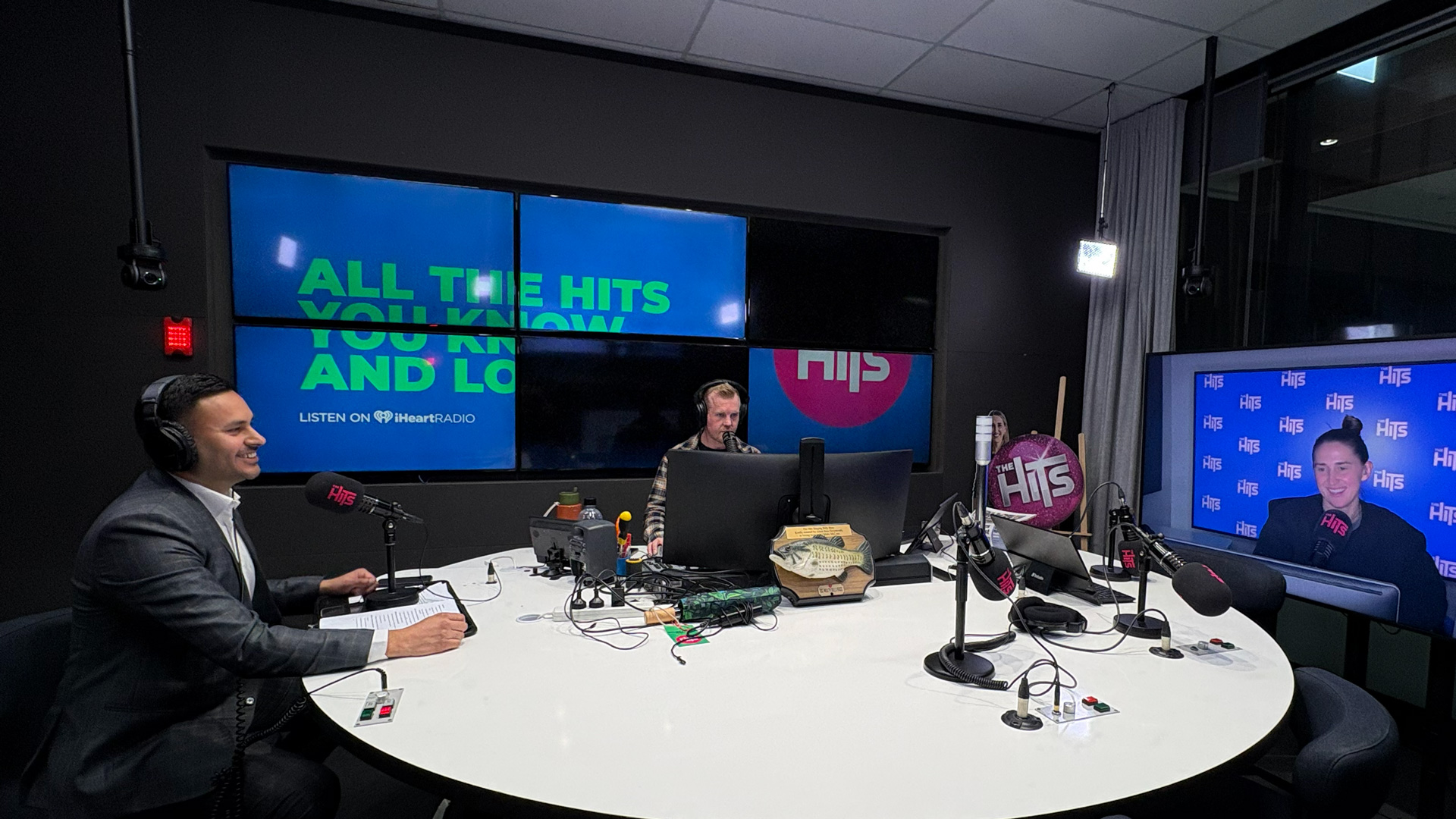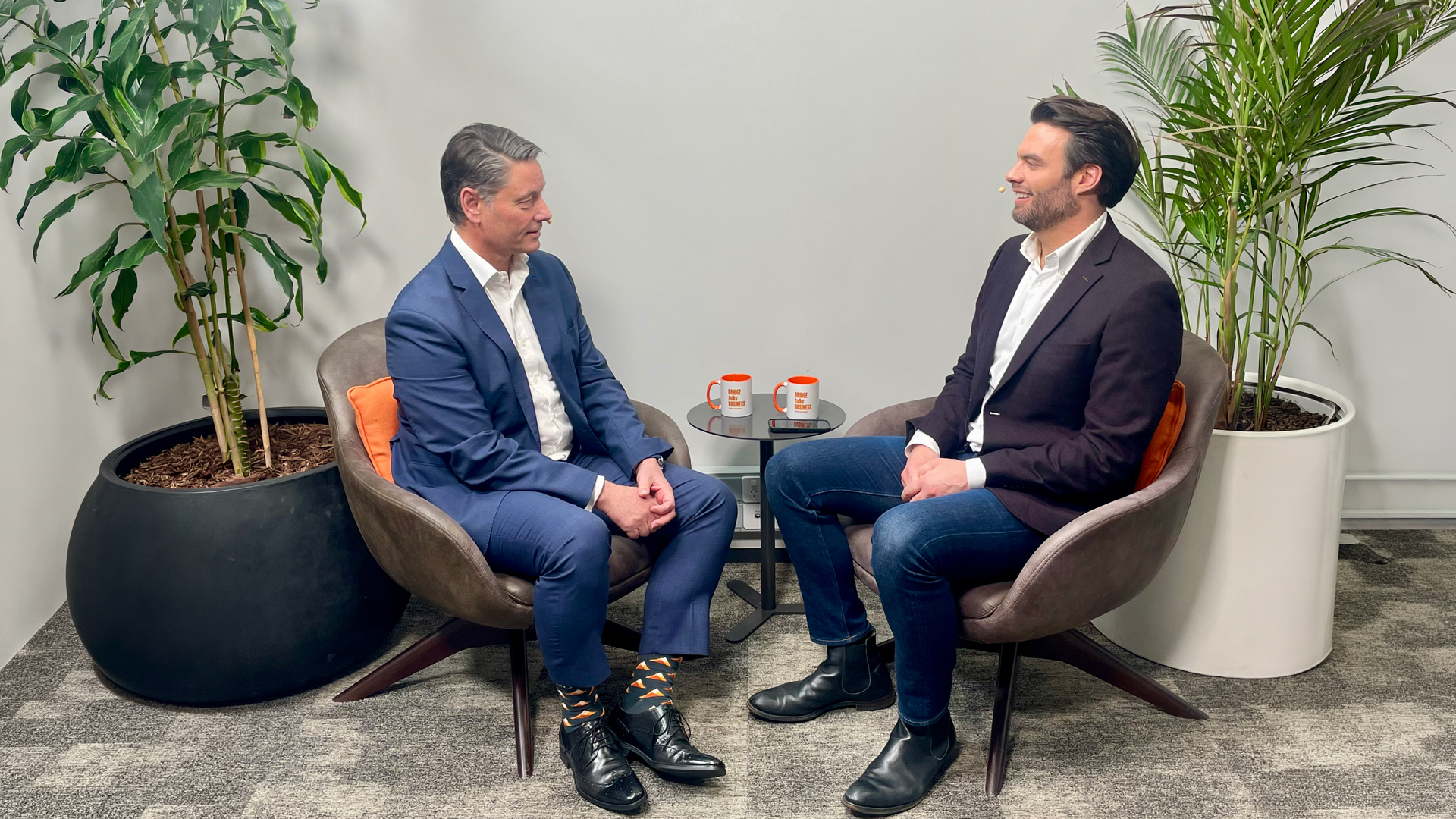
New Zealand’s economy is showing signs of recovery, with discretionary spending on the rise. So why do many households still feel like they’re treading water? RNZ Money Correspondent Susan Edmunds joins Ryan Bridge to unpack the state of the Kiwi consumer, the lingering impact of post-Covid interest rates, and why caution continues to shape spending decisions.
Click here to download the MP3 file or listen to the podcast on your favourite platform:
Bridge talks Business: 17 February 2026
Episode Transcript
Ryan Bridge
Kia ora and welcome to Episode 63 of Bridge talks Business with Milford. This week, I’m catching up with Susan Edmunds. You’ll probably know her name; she’s the money correspondent at RNZ. She writes and speaks on all things financial, from the economy right through to KiwiSaver. And this week, we’re asking the question on everyone’s lips: When will I feel this recovery? We’ve seen the numbers. We know that things are improving. But when will I feel that? When will I see that in my bank account? That’s the question for this week.
First, here’s your top five business bits from the last seven days.
-
- A flurry of US economic data last week, including an employment report, inflation report, and retail sales data. The latter was slightly disappointing, but a boost to consumption is expected in the coming months as Trump’s latest tax refunds take effect.
- Tentative signs of an improving labour market trend in the data. Meanwhile, inflation slightly softer than had been expected, but at 2.4 percent, remains above the Fed’s target.
- To the UK we go, where growth was slightly softer than expected. If inflation data released this week is also soft, then we could see some more aggressive cutting from the Bank of England.
- Stock markets continue to be upended by AI, with software company stocks falling over concerns that AI will disrupt them. This is causing the US share market to underperform other parts of the world owing to the large weight of tech companies in the US market.
- We get employment data from Australia, where the RBA has already started hiking. Plus, we also have our very first OCR announcement of the year.
Ryan Bridge
Right, on today’s episode, we’re going to check in on the health of the consumer. Us. How are we doing? When are we going to go out and buy a fridge? When are we going to go out and buy a couch? When are we going to go out and buy all the stuff that we’ve been putting off buying because the cost of living’s been so high and we’ve been in recessionary times?
When are we going to feel richer? When are things going to get better? These are the questions we’re tackling today with, I think, the best economics correspondent in New Zealand. Susan Edmunds is her name. You’ve probably seen her name – she’s RNZ’s money correspondent, and she is joining us today. Just a reminder, this segment is informational only and should not be considered financial advice.
Ryan Bridge
Susan, welcome to the podcast.
Susan Edmunds
Thank you for having me.
Ryan Bridge
Can I just say it is genuinely lovely to meet you. I’ve always seen you as this economic oracle that just knows everything and tells us everything we need to know. So I’m looking forward to our chat today.
Susan Edmunds
I don’t know if I can live up to that, but I will try.
Ryan Bridge
Pressure’s on. My first question for you, and I know that you’ve been asked this a lot, is: the economy is picking up and we’re seeing the numbers improve, but when are we actually going to feel a bit richer? Like we’re getting somewhere?
Susan Edmunds
Yeah, I think that is the million-dollar question because no one feels like a million dollars at the moment. We’ve talked about “surviving till 25” and “staying in the mix till 26”. But as yet, no one has come up with the “27” one, so I think that’s a good sign. I think what it will take is for wages to start picking up faster than inflation. Cause lately we’ve had that cost of living pressure really stay on much longer than people expected, I think. And so, when everything’s getting more expensive at a much faster rate than your wages are going up, that’s when things feel really tough. And obviously, if you have a house, we’ve had that high interest rate environment too, although that has eased.
I think hopefully by the middle of this year, the labour market will be better. Everyone should have rolled onto a lower interest rate by then, and hopefully we’ll see some wage growth picking up, and maybe that will be when we can start to say, yes, things are feeling a bit better.
Ryan Bridge
Yeah, like you’ve kind of got your head above water a little bit.
Susan Edmunds
Yeah, you might feel that you’re progressing rather than just struggling to stay afloat, which I think is where lots of households have been for quite a while.
Ryan Bridge
Totally. Well, alright, we’ll get you back halfway through the year and we’ll check in then.
Susan Edmunds
Tell me off if I’m wrong!
Ryan Bridge
What about the behaviours? Because after any sort of recession or shock to the economy, people change their behaviours. Like after the GFC, we saw people more cautious or maybe picking safer careers, even – lots of stuff. What about consumer behaviour and spending? How is that changing now that we’re coming out of the other side?
Susan Edmunds
I think there are a couple of aspects. I think that experience of interest rates rising so fast has been a bit of a shock to people. So some people, even though their interest rates have come back down, they’re still acting like they need to be careful. Most people I hear, well a lot of people when their rate comes down, they are keeping their repayments the same. They’re trying to pay off their debt so that they’re in a better position for next time they go up. But that means they’re not out spending.
And the other thing, I think, is that we’ve seen because the cost of essentials has gone up such a lot – you know, power was up 12% last year, the price of bread 60% up in a year – when your bread costs more, that’s pretty depressing. When you’re spending more of your money on the things that you have to buy, you’ve got less for the fun stuff. And I think we’ve really seen that happening too.
Ryan Bridge
And when we are going to buy – like I saw some numbers from Westpac the other day – their retail card spending was up and hospo was up. When we are going to buy, or do discretionary spend, what are we spending on? Have we been holding off on the couch and that’ll now come?
Susan Edmunds
Yeah, I think the Stats NZ figures, the most recent ones I saw, said there was a bit of a lift in durables, but it was things like motor vehicles and electronics, I think from memory. And I have heard the same – that people are still spending more on experiences than they are on stuff, which is quite interesting. I know that we’re spending less on clothes; that’s still down quite a lot year-on-year.
Ryan Bridge
Okay, we probably didn’t need as many as we were buying.
Susan Edmunds
Yeah, probably.
Ryan Bridge
And is that something that changes when economies and societies go through these changes? Is that something that also changes. You sort of re-evaluate: “Actually, do I need this stuff?”
Susan Edmunds
Yeah, I do think there is a growing movement to be a bit more conscious about your spending and not just buying things because it’s fun to go shopping. Be a bit more thoughtful about where your money is going and who you’re supporting and that sort of thing. But then on the flip side, we’ve also seen the Temu effect come in, you know. We’ve seen a lot of local businesses come under pressure because there’s so much cheap stuff available overseas. If all they’re doing is differentiating on price, that’s quite a hard story to tell now, I think. New Zealand shops are more often having to say, “This is a really unique product and the quality is really good,” rather than “We are the lowest price”. So I think that has been quite a movement that we’ve seen recently.
Ryan Bridge
And are consumers driving that? Are we saying, “Actually, I am sick of buying all this cheap stuff and having to replace it every so often”? Are we going after quality over the lower cost?
Susan Edmunds
Yeah, I think it’s probably a bit of both. If it’s something that’s a commodity – like my watch strap that I admitted I bought on Temu – I’m going to spend a dollar on a watch strap rather than $60 for one from the Apple store or whatever. But you know, if I want to go and buy something nice for my house, then I’m probably not going to get it that way. I’m probably going to go to a shop and find the right thing there.
Ryan Bridge
Totally. The other thing we were talking about was data and how a lot of things online are free. Well, we think they’re free, we sign up to them. But what we’re actually selling is our personal data. You’ve kinda been looking at this and how we’re becoming more aware of it.
Susan Edmunds
I think we are. Everyone has come around to that idea that if you’re not paying, then you are the product. I think it’s just a matter of being a bit more aware of when you’re handing your data over. What are you getting in return for that? I mean, even in the local shops, quite often when you buy something, they’ll say do you want to sign up to our loyalty system? And sometimes there’s not a lot of reward for the customer there. It’s just that they want to keep your details and watch what you’re spending. So it’s just that extra awareness – why am I giving you my details and what are you going to do with it.
Ryan Bridge
I think we need to regulate that whole area a bit more, just personally, because, I mean you go and get a haircut and they’re like, “What’s your address?”.
Susan Edmunds
Are you going to check that I’m washing my hair?
Ryan Bridge
Exactly! Why do you need that information? Crazy. Okay, so in terms of the health of the consumer – cause over in America, consumer spending, the health of their consumers held up pretty well through this whole period. We haven’t, obviously, but we’re starting to see that build again. That health of the consumer.
Susan Edmunds
I think so. We were really hit very hard by that interest rate response after the Covid boom, which other countries didn’t have to the same extent. But I do – I hate this word – but there are green shoots and bright spots emerging. I do think that people are starting to slowly feel better and things will improve. But I do think, as with anything as you said, there will be lasting changes. And some people will come out of this in a better position and be able to, you know, carry on to a bright future. But other people might have perhaps had their situation more definitively reduced, you know what I mean. I think the inequality that comes through with these sorts of downturns can be quite a problem that’s hard to shake.
Ryan Bridge
Yeah. And is there anything – like one thing I’ve been reflecting on about it – is this idea that you’re the master of your own destiny. I think after the GFC, a lot of people maybe decided that it was more about luck than it was about hard work, you know – getting ahead – because it’s so random. You can just lose your job or the price of bread goes up and you can’t afford it anymore. And that’s nothing to do with how hard you’ve worked. Is there anything you personally have reflected on having gone through this whole experience like we all have?
Susan Edmunds
I think generally a lot of people are a bit more aware now – that house prices don’t always go one way. So it’s good to have a plan. Often, buying a house has been a good way to make money, but a lot of people have been caught out by the recent experience. And I think it probably has made more people a bit more aware that things can go wrong. It’s helpful to have an emergency fund and a Plan B in case things don’t go exactly as you hope.
Ryan Bridge
Susan, it’s been lovely talking to you.
Susan Edmunds
Oh, thanks for having me on.
Ryan Bridge
It’s everything I dreamed it would be.
Susan Edmunds
Just don’t hold it against me if the middle of the year isn’t as sunny as I’m saying!
Ryan Bridge
I will! Thanks so much.
Susan Edmunds
Thank you.
Ryan Bridge
That was Susan Edmunds, who’s RNZ’s money correspondent talking to us about the health of the consumer, and also the health of the consumer in general. As always, you can like, follow, and subscribe this podcast wherever you like to listen. In the meantime, don’t forget to invest in yourselves.
Missed previous episode? Don’t worry! Click here to catch up now.