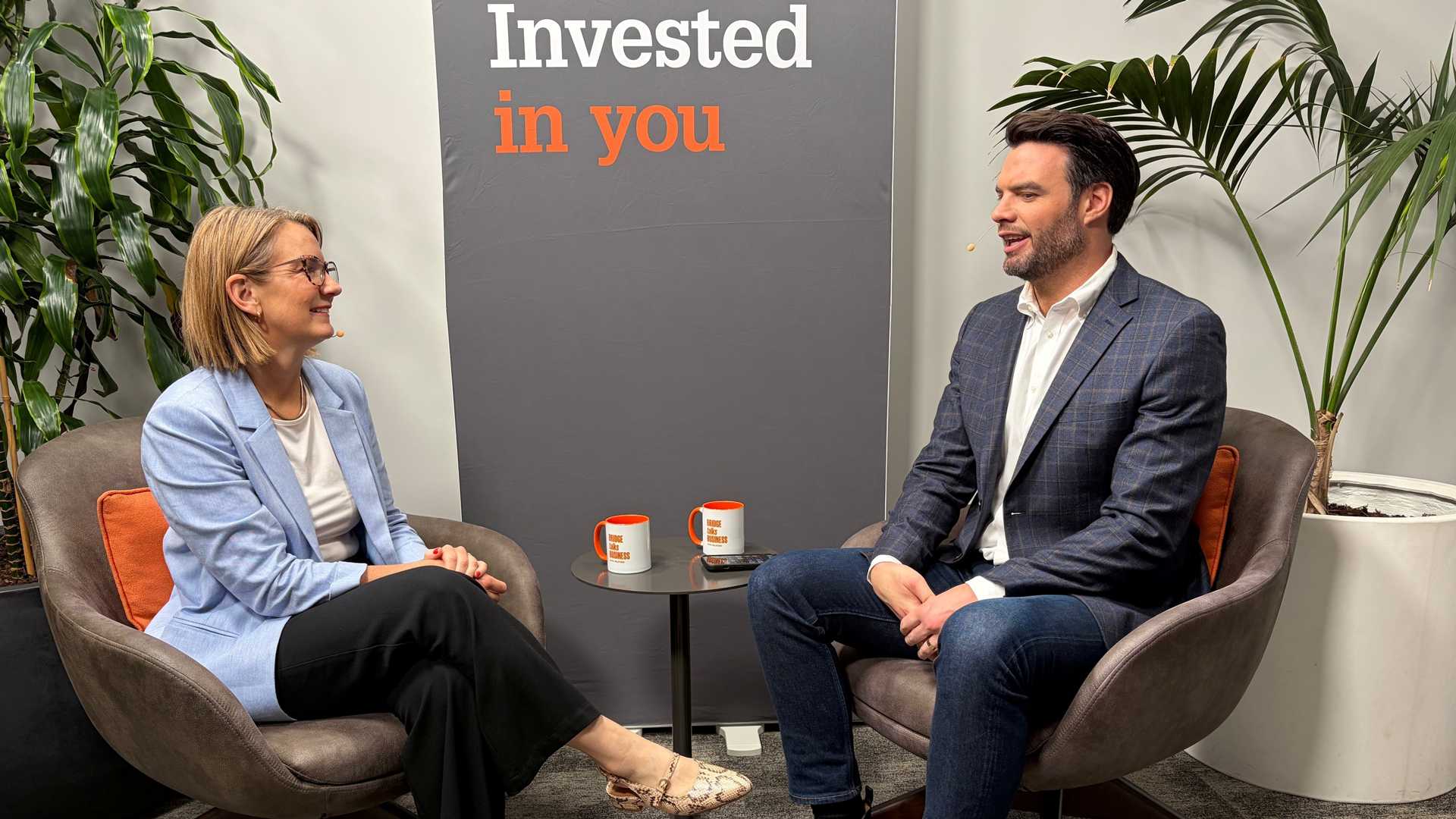
This week, Milford’s Wayne Gentle, Phil Morgan Rees and Murray Harris addressed client questions about how Milford’s funds have performed this year in a video broadcast.
More than 200 questions were submitted ahead of the broadcast, many focused on Milford’s recent performance relative to markets and other providers.
“Many of you are eager to know specifically why the short-term returns are low. We’ll explain exactly why,” said Morgan Rees, Chief Client and Advice Officer.
“Our style is to manage your money with an emphasis on managing risk. What that means is that we often lag markets that are rising, but we come into our own in down markets, where we seek to mitigate losses. The cumulative effect of that approach is why, over many years, we have been a high performer.”
Record highs, narrow gains
Gentle, Milford’s Chief Investment Officer, said equity markets had remained resilient in 2026, following almost three years of unusually strong returns.
“The striking feature of markets is that it has been a very narrow set of drivers,” he said, referring to “very large, very concentrated technology, AI-driven companies”.
European markets had performed reasonably well, while Australia and New Zealand had lagged over recent years, Gentle explained. At the same time, rising bond yields, inflation pressures, geopolitical uncertainty and oil price shocks had created a more complicated backdrop beneath the headline strength in sharemarkets.
“When we’re talking about ‘markets hitting all-time highs’, that’s not the average performance of the average company,” he said.
“Where you invest and how diversified your portfolios are will have a large impact on the outcome,” Gentle continued, adding: “We don’t look at just the return on offer in markets, we also look very closely at the risk we take to generate that return.”
That means Milford weighs how much an investment could fall, as well as how much it could earn.
Morgan Rees said the Active Growth Fund illustrated that approach: over 10 years, it had captured around 91% of market gains but only 77% of market falls, leaving less ground to recover.
“Those numbers don’t seem that far apart, but that’s a very powerful combination,” added Gentle.
Why strong markets haven’t meant strong relative returns
Gentle said the diversification and cautious positioning that built Milford’s long-term reputation as a high performer had weighed on recent relative performance.
While Milford remained heavily invested in technology stocks – including exposure to the AI theme – concerns about concentration, geopolitics, inflation and debt meant it was not invested in the same proportion as markets such as the US.
“Over the last 12 months, we’ve been quite cautious about that outlook. That caution has not been rewarded in equity markets to this point,” Gentle said.
Bonds and traditionally defensive equities had also disappointed.
“Our traditional diversifiers over the last 12 months have not done the job they have done in the past in terms of protecting and providing that superior risk-return outcome.”
He said bonds had come under pressure following the oil price spike and had not rebounded as strongly as technology stocks, while safer equities had also suffered.
However, Gentle pushed back on suggestions Milford had “missed” the AI theme.
“We have been heavily invested in technology firms and continue to be,” he said.
“Given the same set of circumstances, I don’t think I could have justified a higher exposure as this unfolded. It’s incredibly fast-moving and incredibly unpredictable.”
“Look forward, not back”
General Manager of KiwiSaver and Investment Funds Murray Harris encouraged investors to focus on their goals, risk appetite and appropriate investment timeframe rather than chasing backward-looking performance.
He also highlighted the value of having support available to help clients manage their investments, from advice and digital tools to being able to speak directly with Milford’s Client Services team.
“It’s about the full package,” Harris said.
He said that support mattered most when markets were uncertain, and could help investors keep their decisions anchored to future goals.
“Markets are always looking forward. I think investors need to think about looking forward and not looking back – think about what might happen next,” he said.
“When you’re driving your car down the road, you’re not looking through the rear vision mirror or the rear window. You’re looking through the windscreen.”