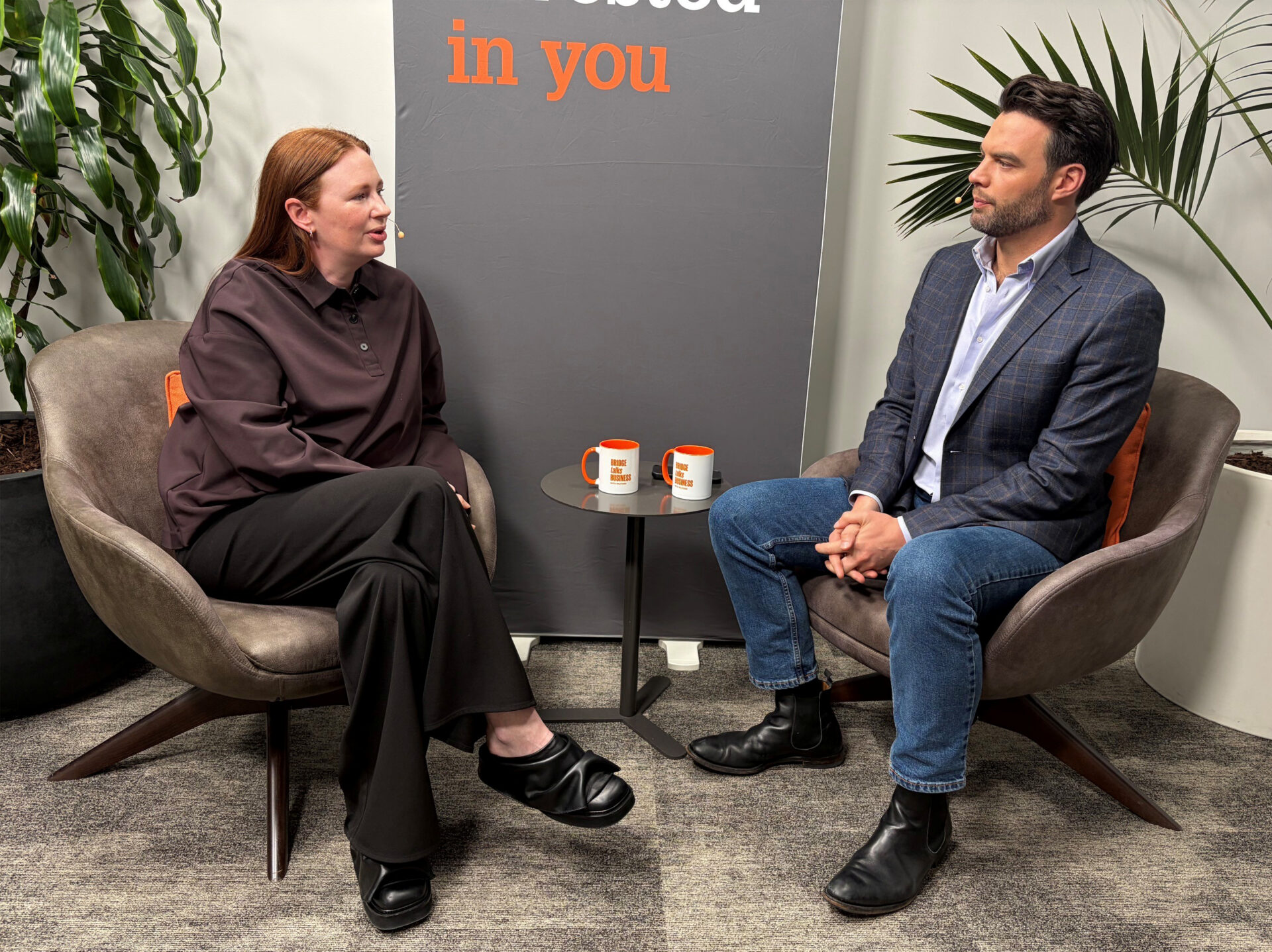
What are your legal rights when dividing assets after a relationship break-up? Drawing on her own personal experience, lawyer and Succession founder Holly Egerton talks with Ryan Bridge about legal facts vs popular myths, and explains how to safeguard your wealth. She also looks into protecting intergenerational wealth, explains what happens if you die without a will, and touches on who is responsible if you receive misleading financial advice.
Listen to the podcast on your favourite platform:
Bridge talks Business: 3 November 2026
Episode Transcript
Welcome to episode 100 – yes, 100 of Bridge talks Business with Milford. This week I’m sitting down with New Zealand lawyer Holly Egerton who specialises in relationships, inheritance, protecting wealth. Holly knows a thing or two about relationships and separation. She was cheated on by her fiancée eight weeks before her wedding and spent years battling over property. She has lessons for all of us. First, here’s your top five business bits.
1. The RBNZ left rates unchanged. That’s despite market pricing about a 95% chance of a hike. It highlighted core inflation at the top of the target band while noting that the headline inflation number was 10 basis points below forecast. Anna Bremen says the chance of a hike at the next meeting is high.
2. Europe and Japan, similar story here, both central banks holding rates, but making sounds about hiking soon.
3. The US GDP, they’re strong and broad-based. With solid consumption with PCE inflation in line with expectations, the Fed made no change there in October to the OCR. No urgency in raising rates either, despite stronger inflationary and growth data.
4. Australia and the UK; Australian quarterly and monthly inflation were higher than the RBA expected, shifting expectations ahead of the next meeting. The UK budget contained no major surprises, which was a welcome relief for markets.
5. The week ahead is a big one. US midterms, the New Zealand election, a key RBA decision, US payrolls, Bank of England, just a few of the key events taking place this week.
For our sit down interview this week, we’re speaking to Holly Egerton who is the founder of Succession and a lawyer specialising in protecting your wealth. Just a reminder, this segment is informational only and should not be considered financial advice. Holly, welcome to the podcast.
Holly Egerton
Thank you for having me.
Ryan Bridge
Great to have you here. Now that we’ve got some lovely cupcakes, which are for a birthday celebration, we’ll come to that in a second, but tell me about succession. Why did you start the business?
Holly Egerton
Well, I feel like there was a real lack of education of wills, EPAs, and I spoke to people every day who owned homes, had businesses, had children, and no plan in place for if something went wrong. So I really wanted to change the narrative around that conversation and make it accessible and easy. So that’s how Succession came about, was creating a system that had clarity on pricing, appointments that worked around everyday people who were working nine to five, just like lawyers, that maybe that timeframe didn’t suit them, and wanted to make the process feel accessible. What could traditionally feel not so accessible.
Ryan Bridge
And a little daunting for some people too.
Holly Egerton
Definitely, yes.
Ryan Bridge
Particularly around, and I wanna start with Wills. Protecting your wealth and sharing your wealth with your family once you’re gone. Do most of us have wills?
Holly Egerton
No, most of us don’t. I think there’s some very rogue stats floating around, but people often say at least, I think there’s like one saying, over 50% of Kiwis don’t have them. But almost nine times out of 10 of the meetings I have, nobody has them. And you can speak to anyone in any industry – it’s just something people know they need or sits in their back of their mind, but it’s just not a high priority unless something goes wrong and something might trigger someone to do it or it kind of sits on that to-do list that you move on the calendar. Like it pops up each month, you’re like, oh, I’ll do that next month. Do that next month.
Ryan Bridge
So what happens if you die without a will? What happens to your wealth?
Holly Egerton
Well, it’s determined by the law, essentially. They decide what happens, but even just before you get to that, it’s such a nightmare for the people around you because you can’t just simply say, you don’t have a will. You actually have to prove that somebody doesn’t have a will. You have to advertise, you have to advertise with local papers, you have to advertise with the Law Society, you have to ring around law firms. Like it is a nightmare for the people around you to just get started. And then once you’ve established that there is no will and you now fall into the Administration Act. So we have to have some default rules to say what’s going to happen. And it depends on each person’s circumstances, whether you’re in a relationship, whether you have children, whether your parents are alive, in terms of order of priority, and then how your assets are split. But that’s all government-decided rather than you. And pretty much everyone I speak to would rather pick themselves than let the government decide how it’s divided.
Ryan Bridge
Absolutely. And if you do a will and you say, this is how I want it to go, does that guarantee that that’s what will happen?
Holly Egerton
Nothing is guaranteed, unfortunately, in life I feel. I feel like it’s always subjective. So wills can be challenged, but somebody has to have grounds on challenging a will. So a will might be challenged if you’ve chosen to just leave out a child. Now it doesn’t necessarily mean that could be successful. There are reasons where that might be valid and reasons where you might have to actually address that in circumstances or you might also exclude a partner. That does happen. Which again, you can potentially do if you’ve got the right agreements supporting that decision. But if you don’t, that could be grounds for a will being challenged. So it’s not always guaranteed, but I’m going to say, 90% of the time you’re pretty safe when what you put down is what will happen.
Ryan Bridge
More say than if you didn’t do a will.
Holly Egerton
Absolutely, yeah.
Ryan Bridge
The government steps in, no one wants that.
Holly Egerton
No.
Ryan Bridge
Okay, so what about relationship breakups? This is another area where people who have wealth, I think worry about. And perhaps aren’t protected for.
Holly Egerton
Yeah, I think it is a real lack of education around that term prenup in New Zealand, which is about wealth and protecting wealth and deciding what happens. So I’m actually sort of on a mission at the moment to change that conversation. I feel like whenever anybody hears that term prenup, they immediately think, gold digger, don’t trust you. Like, what are you doing? And it’s like, no, like prenups are great. They’re an amazing tool. And it’s often just reflecting what two people have actually already decided between themselves in relation to their wealth and wealth management. And I think that’s the part that we’re trying to change.
Everybody has a prenup when you’re in a relationship. It’s just written by the government. Most of us just don’t actually know what it says. So a lot of us operate, I feel, in our relationship dynamics and think, this is how I’m managing my wealth and this is what I want to occur, where the government can have a completely different opinion and you don’t find that out often until it’s too late.
So that is where prenups – contracting-out agreements is what lawyers call them – but we often call them just prenups, lets you decide how your wealth is going to be protected and managed in the event of a separation. And that also ties into when somebody passes away as well, because often if you don’t have that prenup contracting-out agreement dictating saying actually, this is how I want my wealth managed and my wealth passed – if that’s not there, there are reasons, when somebody passes away, you could actually challenge that position under a will. So they all sort of tie together.
Ryan Bridge
So can we test my knowledge of how this would work? So if you separate without a prenup, if you’ve been together two years, it’s 50-50?
Holly Egerton
Okay, often people say that, no. So three years, good test, this is part of it. And this is literally-
Ryan Bridge
Don’t worry, we’re not getting separated.
Holly Egerton
This is literally what we put in our Academy. So we have a Relationship Property Academy to educate people on the basics, so that people can get that base knowledge before realising, do I need to actually go speak to a lawyer to get advice? Because that’s, I think, the thing is there’s such – I don’t know if it’s a misrepresentation maybe – about what the rules actually are. So two years is one I hear all the time, so it’s three. So when you’ve been in a de facto relationship or a marriage for three years, but then even that starts a conversation. When does your three years begin? Often people say, but we don’t live together. So surely the rules don’t apply to us where they can, or we don’t combine our finances. So surely those rules don’t apply to us. But they can. So yeah.
Ryan Bridge
So three years, let’s say living together three years, is it 50-50?
Ryan Bridge
It depends, again, and I think that’s the thing. It’s not always as black and white as we seem. I think we’re all under this impression where it is really clear and it is black and white. And I think that’s where that education piece is so important because when you know, then you’re better informed to make decisions about, oh, this actually is where it might sit with me. I need to do something different or I can do something different. Relationship assets are 50-50. So what is that? That can include things like the income you earn during your relationship, the savings you’ve built up, your KiwiSaver, your investment portfolio. So all of that can fall into that relationship property, you know, category that is getting split 50-50.
Ryan Bridge
Wow, okay, this is great information. Not that we’ll hopefully need it team. What about your personal situation? Because I’ve been reading a little bit about you and one of the reasons you started succession was after a kind of personal experience.
Ryan Bridge
Yes, I went through a separation. I was with somebody for eight years. The whole, if you haven’t seen it, was about to get married. It was eight weeks before the wedding. Everything was booked, you know, the venue, the dress, the food, and he cheated on me. So yeah.
Ryan Bridge
What an idiot.
Holly Egerton
Thank you. I mean, best thing that ever happened to me, but traumatic at the time.
Ryan Bridge
But also you then had to deal with the fallout with that. Financially, right?
Holly Egerton
So we owned a house together. So then you have to go, okay, you know, you can have more assets. You can have your investments. You can have your home, your KiwiSavers, all of that combined. Our main asset was a house, but we then had to go through a process of selling that house. And if you don’t have a willing participant, you then have to go to the court and that takes time. And that costs a lot of money and that requires lawyers. So I then ended up in a four-year separation process where it took me four years to actually untangle myself financially from this person while also having to finance the costs of actually finally getting there. So it’s messy.
Ryan Bridge
So if you have a prenup, can you stipulate in the event of a breakup, or whatever, that these things have to happen?
Holly Egerton
Yes, it makes it so much cleaner. I think we often think, oh, but we have these laws. Our laws are very broad and open and gray, and they don’t have, this is exactly what has to happen. And that’s what gives people the opportunity. In a prenup, you might spend a little bit more money at the start, but if you do ever separate, you can dictate, who gets to maybe stay in the house for the first part while you figure things out, how long do you have before it gets listed? Who’s going to be the listing agent? Or how has that decided? What timeframes do we have? If you’ve got a business, what’s the process of valuing that business? Because everyone can have a different opinion on how a business is valued. So it lets you put all of that down, and then you’ve got an agreement to fall back on and say, well, here are the terms. If we’ve separated, this is what – and then you know. I think it’s a good thing to say, hey, look, if it ever does go south, we’ve both agreed to this while we love each other. Let’s honour that and make it clean for one another that you can then just move on. Cause that tie financially is really hard. Let alone the emotional thing of going through a breakup.
Ryan Bridge
Very stressful time, just at a base level. Holly, tell me about investing. People get advice from all sorts of different places. How do you tell whether you’re getting good advice or whether you’re getting bad advice?
Holly Egerton
Well, obviously be checking where you’re getting your advice from. Always go speak to a professional is my recommendation. People put things out on Instagram, TikTok, I do myself, but it is not legal advice. Just like people out there who probably attempt to maybe portray financial education or something on there. Be aware, please always go speak to a professional and do it in an engaged setting is always my recommendation. Do not be taking the bits and clips that you hear on socials. It might be great for awareness, but always whenever you’re looking for advice is actually go and engage a professional and do it properly – where you’re signing terms and they are held liable. So that if they’re not giving great advice, you know they’re being held to a standard, is always the recommendation.
Ryan Bridge
100%. Do you think on the whole New Zealanders – when it comes to protecting their wealth – that we’re good at doing it and that, you know, as a society, we’re sort of open to talking about it and being proactive about it?
Holly Egerton
Can I be honest?
Ryan Bridge
Yeah.
Holly Egerton
No. I think we as a society really struggle to talk about wealth and money. And I think even between families, families struggle to talk about it. And that’s from my experience in terms of what I see when I talk to clients and even their relationship with their parents and you know, all their children, what they’re willing to disclose and not disclose, I think there is a shift where people are starting to be more willing to talk about it, but it’s so important to talk about. And I think when you talk about it, it makes it so much easier. Because that’s where the mess all comes through when you’re not talking about it. And then you can talk about the right structures, because a lot of people worry when they’re passing wealth on to their children, that their children’s partners could end up entitled to it. And it’s like open up that conversation because you can have structures and things in place to protect that. And it might even be some like parents helping their kids with a deposit on a house, you know, how are you structuring that? Should that really be a gift or should that be a loan that could potentially be called back upon? Or are you leaving your, you know, if you’ve built up substantial wealth, are you leaving that to your child outright in their personal name or actually as an inheritance trust or a trust better for them to protect that from potential future partners and things like that. So I think the conversations are starting to happen. I wouldn’t say they’re out there yet, but that is definitely part of the process that I’m trying to change as well is to normalise it and make it okay.
Ryan Bridge
Fantastic. Well, great to have you on the podcast Holly. Can I suggest that we maybe go halves, 50-50 in one of these?
Holly Egerton
Absolutely.
Ryan Bridge
You can take, actually I’m gonna take this one. Pick your favourite flavour.
Holly Egerton
I reckon I’ll go with this one.
Ryan Bridge
Holly Egerton, it’s been a pleasure to have you on the podcast.
Holly Egerton
Thank you for having me.
Ryan Bridge
Happy 100 episodes.
Holly Egerton
Yeah, happy 100 episodes.
Ryan Bridge
That was Holly Egerton, lawyer specialising in protecting your wealth and founder of Succession. Great to have her on the podcast today. Hopefully you got some titbits you can share with your friends, your family, maybe even your partner. You can like, follow and subscribe this podcast wherever you like to listen. We love you doing so until next week. Don’t forget to invest in yourselves.
Missed previous episode? Don’t worry! Click here to catch up now.