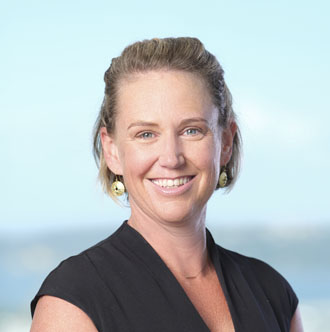
As Iran tensions push oil prices higher, the real market story isn’t the headlines, it’s the risk of an energy-driven inflation shock. Talking to Ryan Bridge, Milford Wealth Management Adviser Kate Tyro unpacks what higher oil means for growth and interest rates, the common mistakes investors make during volatility, and why resilient portfolio construction and discipline matter more than trying to time the news.
Click here to download the MP3 file or listen to the podcast on your favourite platform:
Bridge talks Business: 28 April 2026
Episode Transcript
Ryan Bridge
Kia ora and welcome to Episode 73 of Bridge talks Business with Milford. We’ve seen weeks now of intense headlines around tensions in Iran, oil prices spiking, fears of escalation in the Middle East. From an investment and market perspective, is this actually different from past conflicts or does it just feel different because of the media cycle? This week we’ll ask that question and more of Kate Tyro, Wealth Management Adviser at Milford. First, here’s your Top Five Business Bits from the last seven days.
- Us leadership decided to miss the arranged second meeting in Pakistan over the war at the weekend. There continues to be confusion around key decision makers in Iran. This leaves the all-important Strait of Hormuz closed and keeps pressure on short-dated oil prices. The longer it takes to get the Strait open, the more severe the consequences will be.
- Key US officials came under threat at a gala dinner in the US late last week, as an armed gunman allegedly attempted to assassinate key figures in the administration. This adds to a number of incidents of political violence in recent years.
- We received our CPI data for Quarter One last week which came in mixed. Headline inflation, a bit firmer than expected, although the upside relative to consensus stemmed largely from administered prices rather than strong demand. Core inflation, weaker which should be taken positively by the RBNZ.
- We got a number of key data points in the UK last week which doesn’t leave the picture on the economy much clearer for anyone. Near-term inflation measures were unsurprisingly stronger but, more importantly, medium term measures of inflation and wage expectations were more contained. The labour market also soft there despite the unemployment rate falling for technical reasons, which should diminish second-round inflation.
- This week, a big one. Key central bank meetings and around 40% of the S&P500 are reporting.
Right, sitting down for our feature interview this week is Kate Tyro, a Wealth Management Adviser with Milford. We’re gonna ask about the market, the conflict, why this conflict is different from previous conflicts, but also in a lot of ways why it’s also the same. Just a reminder, this segment is informational only and should not be considered financial advice. Kate, welcome to the podcast.
Kate Tyro
Thanks for having me.
Ryan Bridge
Right. I want to start talking about the conflict and whether this one is different or how different it is from previous conflicts. Is it as bad as we think or is it just that the media cycle we’re in – the intense media cycle that we’re in at the moment?
Kate Tyro
Yeah. I mean, I think everybody’s aware of the fact that we know with social media and news how it is now, you are getting a lot of information about these conflicts. So it can feel like this is the worst that there’s been. In regards to markets, you know, this conflict does have more market relevance. Typically, you know, markets have been facing conflicts since they started, and they typically look through them as noise. You might get a knee-jerk reaction when they start. But just as quickly, there’s a recovery.
This one has more market relevance because it is impacting the supply of energy. You know, with the blocking of the Strait of Hormuz, you know, 20 percent of the world’s shipping goes through there and crude. And so the lack of supply is going to impact the price of oil globally. And why it has market relevance is that’s going to increase prices, which could, you know – the longer it stays blocked and supplies reduced, could feed through to global inflation. And we’re starting to see those numbers come through. So the longer the supply is restricted, the more chance of long lasting inflation as well. And that will be determining what market participants think will expect interest rates to do.
Ryan Bridge
And this is important, right, because we’ve got oil pushing up the price of diesel at the pump – or petrol that you’re paying for – meaning you’re not buying other stuff. But then also putting pressure on a whole bunch of goods and then, as you say, inflation.
Kate Tyro
Yeah. And that’s the big thing. When oil prices spike, the market quickly adjusts to the fact that there will be inflation risk, which could flow through to growth risk as well. And, you know, as you said, at the pump, people have to pay more. We’re all doing it. People are trying to restrict their driving. But, you know, there’s only so much you can restrict these days. I went into a hardware store a few weekends ago and it was quiet. And they said, you know, it had been quiet that weekend because they felt people were just thinking about not going on that second trip out for the day or putting off some renovations.
And so, yes, so the inflation can come through. But also when people stop spending, that can feed through to a growth risk. And that will impact business earnings. It will impact business earnings through their own transport costs, their own fuel costs. But also, oil is a major component of plastic – and packaging will go up. I was reading somewhere about credit cards, just the actual production of credit cards. It’s causing margins to be compressed.
Ryan Bridge
It’s in everything, isn’t it? Almost everything. OK, so what about markets themselves? Because we saw initially a sell off and they’ve actually come back quite strongly. A lot of them have anyway. What drives that and what sort of mistakes do people make in situations like that?
Kate Tyro
Markets have been lower over the course of March and that was the general sell off from the fears of restricted oil. We’ve seen this bounce back come through and it’s always hard to say exactly what’s driving it. But there has been noticeably an intention from both sides to resolve this and reopen the Strait. And day to day, this seems to change. But I think that’s what markets have been focusing on there.
But one of the biggest mistakes we see investors do, is they get caught up in the fear that’s been created. They hear the word war, conflict, seeing it on TV and the natural instincts of people is when there is fear is to get out. And so that’s the big mistake we see is people just focusing on those short-term headlines and either moving to cash or into something that’s much less risky. By doing that, you’re locking in those losses there. You need to be invested through to the recovery. And it may not be the recovery now, but we have seen that pickup there. And staying invested means that you’re also participating in that pickup.
Ryan Bridge
And not locking in what could be a loss, right? Crystallising it. So what about portfolio construction? How should investors think about building portfolios that can cope with events like the one that we’re seeing at the moment?
Kate Tyro
And that’s a really big thing that investors should be looking at doing when they first look to invest – you want portfolio construction. If you have a well-constructed diversified portfolio of assets, they are built to ride through these events. The expectation is that over a cycle, there will be events like this. There will be some sort of shock, something that’s never happened. And, they’re not as uncommon as people think. People always think that this is this is something different.
Every one to two years, markets experience a correction, which is classified as a fall in prices of 10 percent or more. But then they ride through it. And that’s why having a diversified portfolio as well, where you’re invested in stocks and bonds, so different asset classes. They tend to move in different directions at different times. Also different sectors, different geographic areas. It just means that if there is a shock, your whole portfolio or investment isn’t just invested in that one area. There’ll be other areas that will do well. And that will help offset that volatility.
And that’s the thing. You have to think about how much risk you want to take and always think of that worst case scenario, of how would I feel if I saw the value of my investment fall by 10, 20 percent? Would I be comfortable? And if not, then maybe you need to be in something a bit less risky and you can put more bonds in. So, there’s a lot of ways to look at that construction of the portfolio to make sure it’s right for you.
Ryan Bridge
Diversification, obviously very important, but also – and you’ve kind of alluded to this – discipline as well. Because, as you say, once you’ve built it, you’ve got to toughen your stomach and stick with it.
Kate Tyro
And that’s the big one. It is about sitting through the cycles. And its discipline – diversification and discipline. And the discipline means not reacting to those short-term headlines. For investors that stay the course and ride through these periods, they will benefit more with higher returns over the long run. Over time, even if the Strait doesn’t reopen, other sources of oil, different supplies, they will turn to – it will just take some time for that adjustment to come through.
Ryan Bridge
What about for business owners and investors, I suppose, who are a bit worried – despite everything you’ve said – a bit worried at the moment. What kind of mindset do you encourage people to have at a time like this?
Kate Tyro
To sit down and have a look at the things that you can control and the things you can’t control. We can’t control how long the conflict will be drawn out and what will happen there. But the things we can control are setting up a well-structured portfolio of investments that are diversified. And again, that discipline and just reminding yourself, what is my long-term investment goal? Why did I invest in the first place? Typically people will have a long-term goal of wanting to see their wealth grow so that they can retire or for a special purchase.
Just remind yourself that it is long term – that you can sit through this – and even if they are shorter, it’s keeping in mind that strategy that you originally invested in and sitting through the volatility. Volatility, unfortunately, it’s the price we pay for having much healthier long-term returns. And yeah, there’s a bit of uncomfortableness of sitting through them. But that’s why you end up typically having higher returns than just putting it in the bank.
Ryan Bridge
Kate, lovely to have you on the podcast. Thank you so much for being with me.
Kate Tyro
Thank you.
Ryan Bridge
That was Kate Tyro, a Wealth Management Adviser at Milford talking to us about the conflict in the Middle East. Just a reminder, you can like, follow and subscribe this podcast wherever you like to listen. We love you doing so. Until next week, don’t forget to invest in yourselves.
Missed previous episode? Don’t worry! Click here to catch up now.