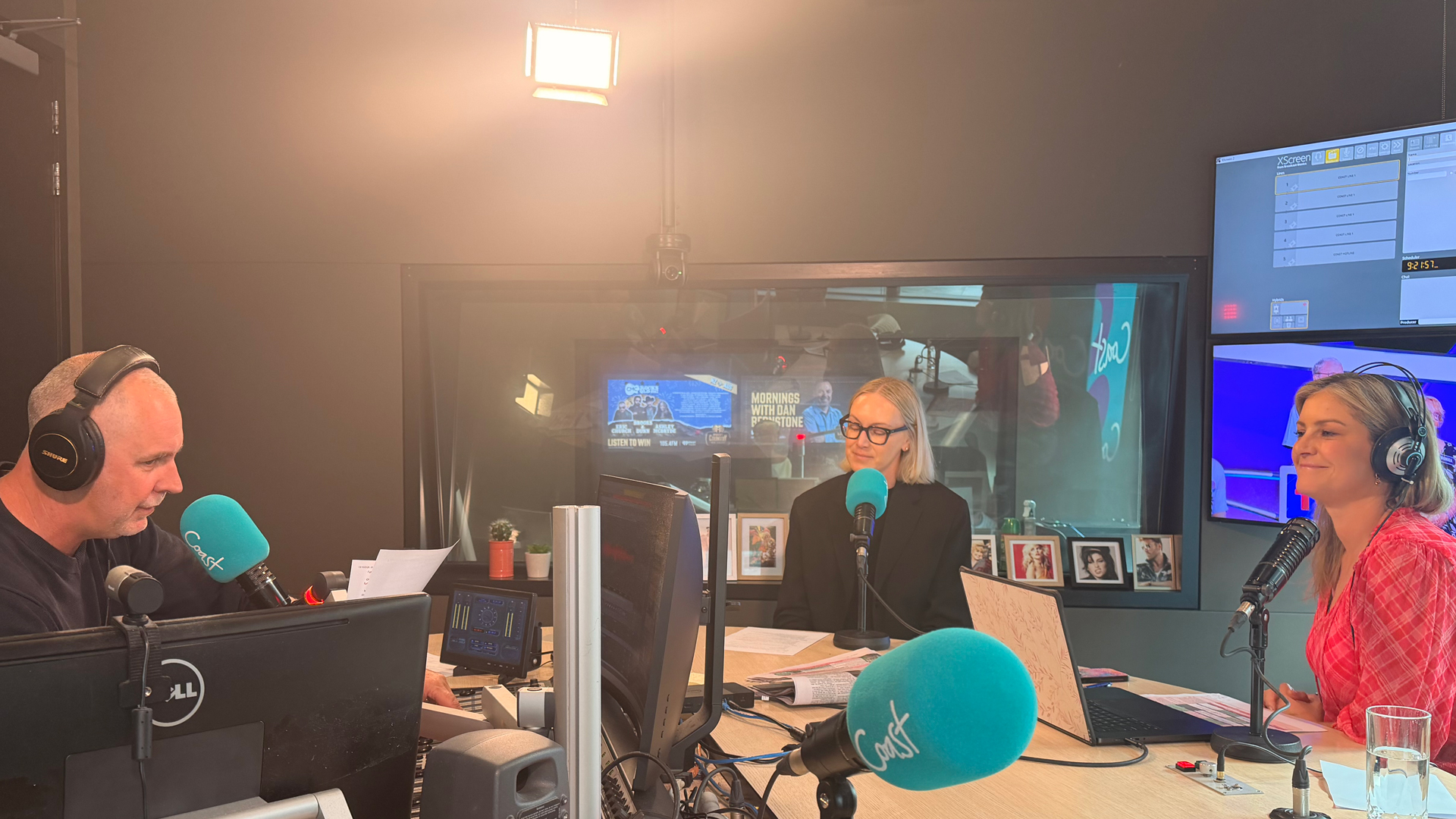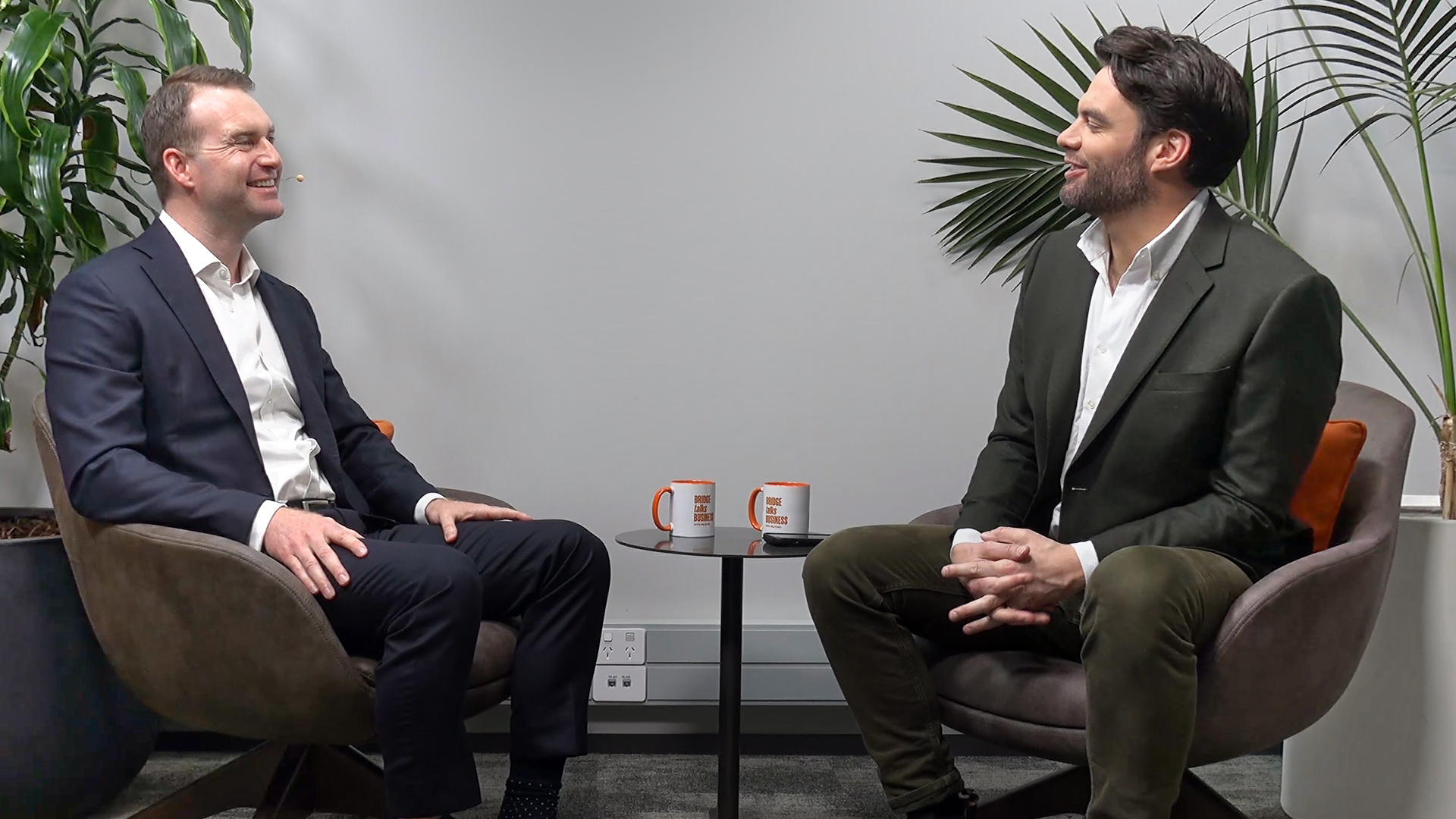
What do global conflict, market swings and attention-grabbing headlines mean for investors? Milford Wealth Management Adviser Julie Shacklady sits down with Ryan Bridge to discuss. From the impact of geopolitics on returns, to the value of diversification and sticking to a long-term plan, this conversation offers practical perspective for anyone feeling uneasy about investing in uncertain times.
Click here to download the MP3 file or listen to the podcast on your favourite platform:
Bridge talks Business: 16 June 2026
Episode Transcript
Ryan Bridge
Kia ora, welcome to episode 80 of Bridge talks Business with Milford. Great to have your company. Here’s a couple of interesting things about investing through conflict. Most managed funds were down almost every day in March, but then up again almost every day in April. That’s despite no material progress on opening up the Strait of Hormuz, which is the choke point causing all of our problems geopolitically. So today, Milford’s Julie Shacklady is in the hot seat for a look at what investors can learn from this experience. First though, something a little different. Here are five issues top of mind heading into the election for voters.
1. The cost of living. This remains the number one concern for most Kiwis this year. Inflation has eased from earlier peaks, but prices for groceries, rent, insurance, power, fuel – all remain stubbornly high.
2. Healthcare access. Healthcare consistently ranks as the second biggest issue nationally. Concerns include long wait times, GP shortages, overwhelmed hospitals, access to mental health services and of course the longer term issue of an aging population.
3. The economy and jobs. The economy is slowly recovering, but confidence remains pretty fragile. Key concerns – unemployment, weak wage growth, public sector job cuts, business uncertainty and of course people jumping the ditch and moving overseas.
4. Housing affordability. Housing remains a structural problem in this country even though the property market has cooled from pandemic highs, rent still consuming a huge share of incomes, particularly if you’re living in the City of Sales or Wellington.
5. Crime safety and social cohesion. Concern levels have stabilised compared to previous years. However, Kiwis are still worried about this. Youth offending, retail crime, gang activity, social division and distrust in institutions remain issues here.
Alright, it is time for our feature interview this week. We are very lucky to have back in the hot seat this week, Julie Shacklady, Wealth Management Adviser at Milford. We’re going to talk about geopolitics, Iran, the oil price, the impact on global economies and what it means for our investments, but more importantly, what strategies we should have when we’re investing and how to stick to them. Just a reminder, this segment is informational only and should not be considered financial advice. Julie, welcome back to the podcast.
Julie Shacklady
Thank you for having me back.
Ryan Bridge
So good to have you back. Welcome anytime. Now tell me, headlines are war, strait closed, death, destruction. Is investing at a time like this difficult? Give us the reality check of investing at a time like this.
Julie Shacklady
There’s certainly a lot of news at the moment. There’s a lot happening. We’re getting access to information faster than we’ve ever had before. It can be very unsettling, not just for new investors, but for people that are already invested as well. It can feel like the wrong time to invest. I really do appreciate that. For example, with the Iran-US-Israel situation, markets and investments were down almost every day in March, but came up almost every day in April. So if you were sitting on the sidelines in March waiting for the coast to be clear, you could have actually missed out on some good returns there.
Ryan Bridge
And that’s despite there being no real full stop on the conflict too, right?
Julie Shacklady
That’s right. There’s been no resolution. However, at the time it was US reporting season and there were some very strong results. So investors were a bit more focused on that for a period of time, which drove markets up despite the war still going on.
Ryan Bridge
So what is the advice then? What are some of the lessons we can learn? Do we just basically not read the headlines and then wait and try and stick it out until things get better?
Julie Shacklady
It’s worth not getting distracted by headlines. Markets go up and down all the time. There will always be something in the news that makes an investor feel worried. If you’ve decided to invest, unless your circumstances have changed, it’s worth just sticking with the plan. Just pushing ahead anyway, committing to it, maybe not jump in boots and all. You can start off with a smaller amount perhaps. If you are speaking with an adviser, they can guide you on a strategy. But actually adding money while they’re down is a good way of boosting your returns as well. So best not to be deterred.
Ryan Bridge
This is the other thing. This is the kind of perverse – your mind plays tricks on you, doesn’t it? Because you think bad headlines but then also probably a lot of those stocks won’t be cheaper this year.
Julie Shacklady
We all love getting a good price on things at the shops but it’s very hard to bring yourself to buy something or add money with investments when they’re down. It’s a real mind game sometimes.
Ryan Bridge
Totally. So Julie, US share market is up. I mean, I’m reading headlines, I’m reading stories about all-time highs, intraday highs. Does that mean that everything’s up or is this isolated to the US?
Julie Shacklady
So yes, the US stock market or a couple of the indexes in the US are at all-time highs. Investors are seeing that on the news and wondering why their investments are still struggling with everything else that’s going on in the world. So it’s worth noting that it is particularly concentrated into just a handful of companies or sectors. Milford’s multi-asset funds have shares and bonds, but are also invested all around the world, not just in the US. And that’s a risk management approach. It’s diversification because we know that things can change very quickly. And that can be why there’s a bit of confusion about all-time highs, which is not necessarily reflected in someone’s balances or investments.
Ryan Bridge
Because it works both ways, right? You talk about all-time highs and you think, “Oh, why isn’t my investment doing this?” But by the same token, if it was crashing, you’re more insulated having a diversified portfolio.
Julie Shacklady
Yeah, that’s right. And we see that as well. Investors will say, “I don’t know if it’s a good time to invest. It feels very expensive. It feels an all-time high”. So again, just circling back to sticking with the plan, being committed, markets go up and down all the time.
Ryan Bridge
What about, is the old saying, no news is good news. Is that true? Like if I’m not seeing horrible headlines on the front page of the newspaper in the morning, does that mean that my investments are probably doing okay?
Julie Shacklady
Not necessarily. Sometimes things can be impacting investments which is more behind the scenes. It’s not really a newsworthy article. It could be soft jobs reports, slow GDP growth, inflation fears. For example, in 2022, shares and bonds both faced headwinds for many, many months due to aggressive interest rate hikes. But it wasn’t really newsworthy. But it was having a negative impact on investments. So no news isn’t necessarily good news either.
Ryan Bridge
Sounds quite hard, this investing thing, doesn’t it?
Julie Shacklady
It can be. It really can. And that’s why it’s important to get help from professionals, like the advisers we have at Milford because it’s not easy.
Ryan Bridge
As somebody who’s across all this stuff, how much of your day would you spend looking at news versus looking at actual data? I’m always interested to know whether people pay that much attention to what the headlines are saying. I mean, I know we as news consumers do. But for people who are in the business who are investing, how much weight do you give to what’s being said versus what you know to be true from data?
Julie Shacklady
The data’s important. Our investment team are really focused on that side of things. As an adviser, my job is to try and translate what the investment team are doing and seeing in a way that makes sense to them, but also helping them understand the headlines as well. So I do read the headlines. I need to know what’s going on. I personally don’t pay too much attention to them with the way I’m investing. I just continue to do the same thing regardless of what’s happening. But I know that it’s important for clients because they’re reading this news as well. So, important not to pay too much attention to it because also it’s not always correct.
Ryan Bridge
That’s true. And when people ring, when your clients get in touch, are they just wanting reassurance about their plan and their approach and is it still the right one? Or are they like alarm bells, panic stations? Or does it depend?
Julie Shacklady
It depends. Many just want to know that we’re across it, which of course we are. Chances are we know about it before our clients have read it in the news. So we’re always trying to stay ahead of these things. But a lot of the time it is reassurance that Milford’s got it in hand. We’ve put things in place to try and reduce the volatility where we can. But just somebody to talk to. We always need a human to explain to us what’s happening, I think.
Ryan Bridge
100%. Julie, lovely to have you human explaining things to us this morning. Thanks so much for being with me.
Julie Shacklady
Thank you for having me.
Ryan Bridge
And that was Julie Shacklady, Wealth Management Adviser at Milford, talking to us about all things geopolitics and investing. It was lovely to have you listening as it always is. Just a reminder, you can like, follow and subscribe wherever you like to listen to the podcast. Until next week, don’t forget to invest in yourselves.
Missed previous episode? Don’t worry! Click here to catch up now.