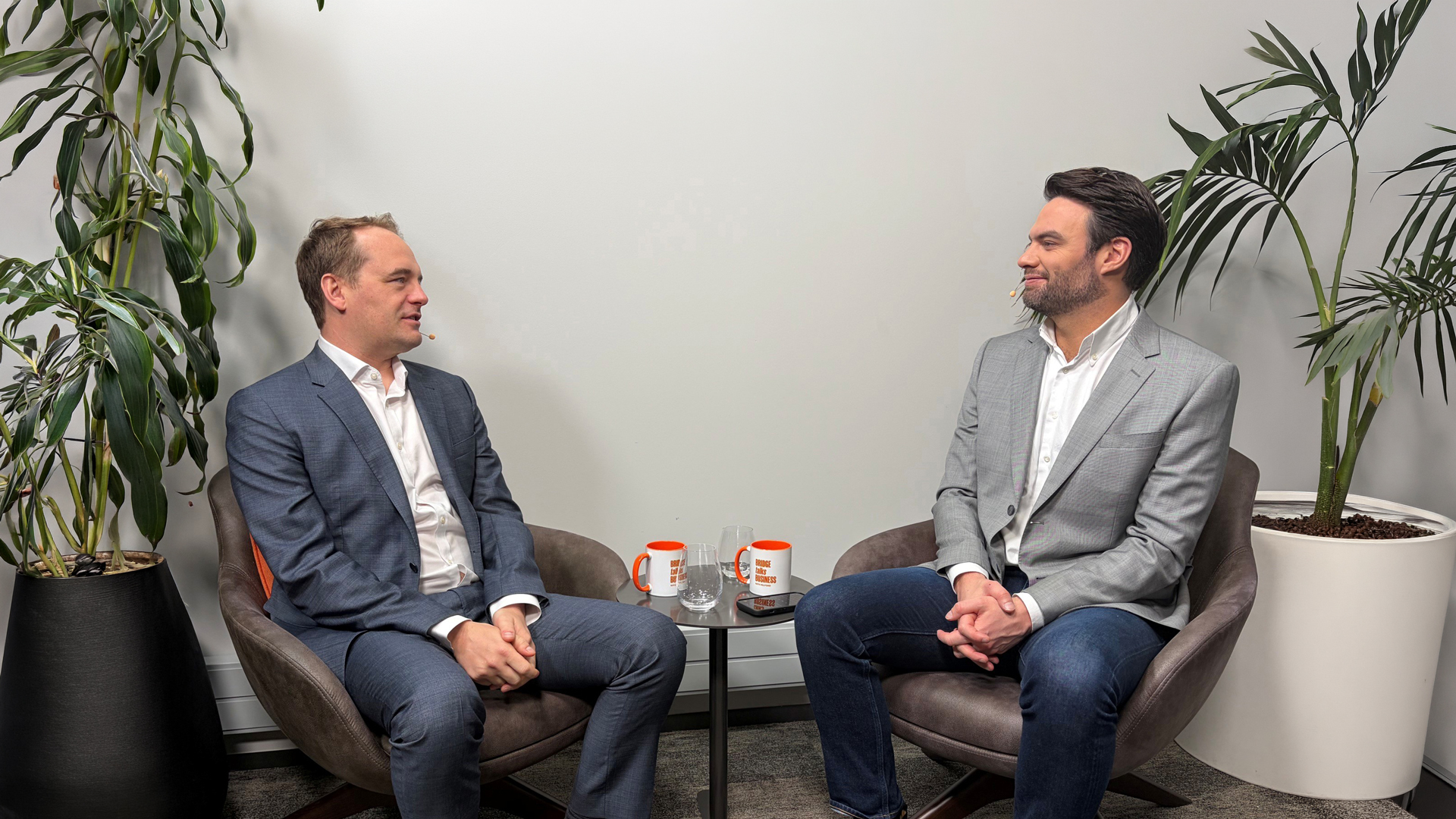

A proposed AI-focused data centre in the small town of Stratford has captured investor attention. Milford Portfolio Manager Sam Trethewey talks to Ryan Bridge about why the story behind the headline may be less about software and more about electricity, infrastructure and New Zealand’s chance to plug into a global digital build-out.
Click here to download the MP3 file or listen to the podcast on your favourite platform:
Bridge talks Business: 18 Aug 2026
Episode Transcript
Ryan Bridge
Kia ora and welcome to Episode 89 of Bridge talks Business with Milford.
This week, the world wants a piece of Stratford. A small rural town halfway between Mt Taranaki and Hawera, population 6,000, and Contact Energy has announced plans for a data centre, and it’s massive. Milford’s Sam Trethewey says its size is 250 megawatts, making it the first real sign New Zealand is becoming part of the global AI data build-out. First, here’s your top five business bits.
-
- As expected, the RBA held rates steady, but made hawkish sounds. Bullock, the governor, downplayed the worries about housing and instead focused on the upside inflation risk. It is likely she wanted to keep some risk premium in market pricing to avoid market rates easing, putting fuel on inflation again.
- Pretty benign. One way to describe the US CPI and PPI data out last week. While not outright dovish, the data was likely not enough of a smoking gun for markets to price Fed hikes near term.
- US retail sales confirmed this more dovish signal. Control group retail sales, which strips out all your volatile stuff, fell against market expectations of a rise. This comes after several months of strength, so isn’t necessarily a major worry, but does alleviate near-term hike risk.
- New Zealand data was moderately softer last week. The business PMI went backwards at a headline level from a big surge in June, but remains comfortably in expansion. Two-year inflation expectations fell. RBNZ will like that.
- This week, the focus on the UK. We’re getting data on jobs, inflation, retail sales, you name it. Plus, we’ll get some Aussie jobs data too.
Right, it is time for our feature interview this week. We talk a lot on this podcast about NZ Inc. What is the next big thing for New Zealand economically? Where can we look for future growth? And one of those areas is data centres. Data centres need energy, they need electricity and the more renewable the better. We’ve had a deal announced between CDC, which is a data centre-maker out of Australia and Contact Energy here in New Zealand and it’s shaking the markets up. Sam Trethewey from Milford, Portfolio Manager, is joining us to discuss this week. Just a reminder, this segment is informational only and should not be considered financial advice. Sam, welcome back, good to see you.
Sam Trethewey
G’day Ryan.
Ryan Bridge
A lot to discuss. We’ve had a pretty major announcement. I mean, we had results from Contact, but a little sauce on the side is this data centre in Stratford. Big deal?
Sam Trethewey
I think it is a big deal, and it’s not just about the data centre that might be built in Stratford. It’s about the opportunity, I think, that New Zealand has to be part of, really, the global AI infrastructure build-out that’s going on around the world. So I think it’s easy when you use AI to forget about what’s really going on in the background. It might just be an app on your phone or a software program on your computer, but in the background, a query is going off to a data centre somewhere around the world that’s consuming electricity to generate your response to you. And on the back of the growth there we are seeing in AI, that is generating a huge new demand for electricity. So it’s the opportunity for billions of dollars in investment to come into the country on the back of what’s going on.
Ryan Bridge
Because this is not so much a technology story. People might go, “Stratford, Silicon Valley.” You know?
Sam Trethewey
Yeah.
Ryan Bridge
It’s an energy story, this one, isn’t it?
Sam Trethewey
I think it is, and that’s coming through more and more as the growth of AI is occurring. So what you really need for a good data centre location is clearly a good reliable electricity source, connectivity in terms of internet connection, and a stable political environment. And New Zealand does score very well on all three of those things.
Ryan Bridge
Coups aside.
Sam Trethewey
Coups aside. But you compare the geopolitical tensions that are going on around the world, what’s happening in the Middle East, for instance. We’ve seen a real spotlight put on Australasia on the back of that as the hyperscalers, the big customers of these data centres – Microsoft, Meta, Amazon, et cetera – look for alternatives to the US to build these locations. And we do score very, very well.
The site in Stratford, you might say, “Well, what’s an old power plant got to do with it all?” What it has, it has the grid connection into the electricity network, sitting there ready to go. And that can be a big hurdle in terms of consenting and getting approval through, and also very expensive to build for the data centre providers. So, hence the attractiveness of that site in particular.
Ryan Bridge
And they’ve partnered with this Australian outfit, CDC. But for Contact, you know, a lot of people, consumers go, “Well, power prices are high. There’s already too much demand, not enough supply.”
Sam Trewethey
Yeah.
Ryan Bridge
From a business perspective, having more demand is a good thing for them, right?
Sam Trethewey
It is. And I think, you know, Contact Energy, all the gentailers are sitting on big development pipelines of renewable energy that they could build. But they’re nervous and wondering, “Is the demand going to come through?” Things like EVs are potentially growing in demand, but data centres are the real sort of step change that could come through. So, for instance, this data centre that may be built at Stratford, 250 megawatts, that’s the same size or same consumption of electricity as a small to mid-sized New Zealand city. So, it’s very, very material. And certainly a step up in demand that we haven’t seen locally for many, many decades.
Ryan Bridge
So what type of infrastructure? I mean, you mentioned the fact that there is existing infrastructure there. What type of infrastructure do these plants need?
Sam Trethewey
A lot of it is, you know, concrete, steel, the grid connection, the transmission lines out into the network. That creates jobs, building all of that. And it also creates long-term jobs, skilled jobs going forward for New Zealanders. So it is something that does create that investment. The data centre itself, $5 billion, likely cost to build. So, you know, that’s a lot of concrete, a lot of steel going into it. And then roughly $2 billion of investment to build the renewable energy that is needed to support that. So, you know, we’re talking big, big numbers here.
Ryan Bridge
Because you kind of want it to wash its own face, don’t you? And they’ve said that with water they’ll do that. But also you want the renewable built out to meet the demand.
Sam Trethewey
Correct. And that’s something I think politicians, the regulators will be watching very, very closely. Are we going to see a step change in electricity prices on the back of that?
Ryan Bridge
Do you think it will push up prices?
Sam Trethewey
Look, I think it’s always, you know, people will naturally be nervous about it. And when you get any market with a big step change in demand, like this will drive. The question is, will supply keep up? But to that point around, there are big, big renewable generation development pipelines sitting within Contact Energy and the other gentailers. They’re waiting and watching and wanting to see these contracts, this new demand come through, before pressing go on those projects. But I think just to really amplify that, the amount of generation that could be built in this country – renewable generation – is so great at the moment that it actually causes concerns from investors around there actually being too much supply coming through.
Ryan Bridge
Because too much supply, not enough demand, prices low, you’re not making profits, right?
Sam Trethewey
Correct.
Ryan Bridge
This is a market that needs to operate.
Sam Trethewey
Yeah.
Ryan Bridge
But the fact that there’s so much renewable potential is, for New Zealand, a competitive advantage, no?
Sam Trethewey
It is a real competitive advantage for us. You think of a data centre, essentially like a factory. Back in the day, we used to have a lot of pulp and paper mills here in the country. Unfortunately, they have closed down because of high power prices, but this could quite easily replace those pulp and paper mills and then some in terms of demand. And the extent of exporting that sort of product to the world, we’re essentially selling that renewable energy globally. As these big customers, the hyperscalers, look to decarbonise, that’s very, very attractive to them in terms of ticking some of those boxes that create energy that we do offer. And we’re quite unique in that case.
Ryan Bridge
Unlike the pulp and paper mills, though, jobs not necessarily attached to the data centres.
Sam Trethewey
There still are a lot of jobs that come off the back in terms of maintaining and ongoing running of the data centres, investing and building and maintaining the renewable energy that it supports. So, I think it’s net positive.
Ryan Bridge
What are the risks?
Sam Trethewey
I think the risks really are that we are too complacent. We sit back and don’t get on with it quick enough. The opportunity is there, but it is a global market for data centres. These companies, the hyperscalers, the customers are looking globally to sign contracts. Their capital, the money that they will spend, they can put down anywhere. So, if we don’t make it easy, they will look to other countries, other places where it is easier to do so and get on with it there.
Ryan Bridge
What does this mean for investors? What does it mean for the value that you might put on New Zealand energy companies, gentailers?
Sam Trethewey
It enables them essentially to build that generation pipeline that is sitting there and hopefully do so in a fashion that does maintain the wholesale power price at a fair and reasonable level and then returns on those potential projects. So, it enables them to grow earnings steadily over time. Hopefully they do that in a way that achieves a nice equilibrium with the wholesale price, with what’s happening with retail prices and ultimately grows the economy and enables economic growth in New Zealand. This could be massive for New Zealand, eh? It’s one of the biggest opportunities we have seen as a country to sell renewable energy essentially to the world through these data centres. It’s definitely a big opportunity for us.
Ryan Bridge
Brilliant. Sam, thank you very much.
And that was Sam Trethewey, Portfolio Manager at Milford talking us through this deal. It is early stages, but a very promising, interesting deal announced between CDC and Contact Energy for a data centre in Stratford of all places.
Just a reminder, you can like, follow and subscribe this podcast wherever you like to listen. We love you doing so. Until next week, don’t forget to invest in yourselves.
Missed previous episode? Don’t worry! Click here to catch up now.