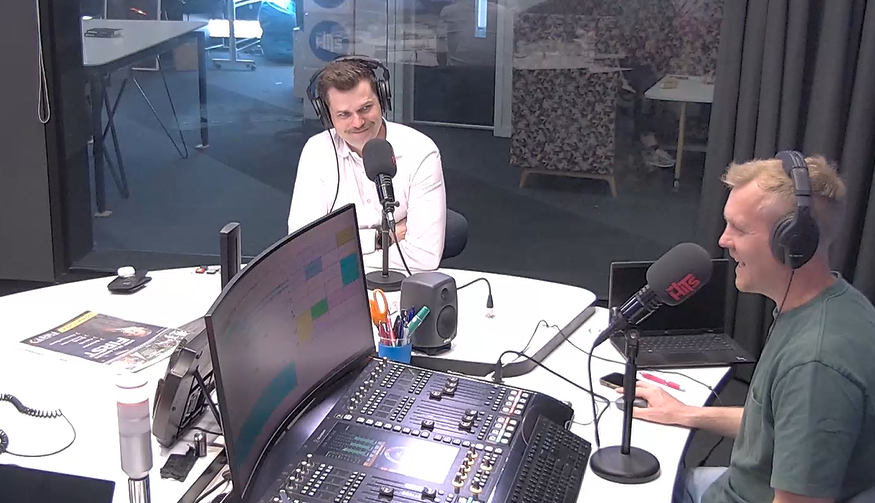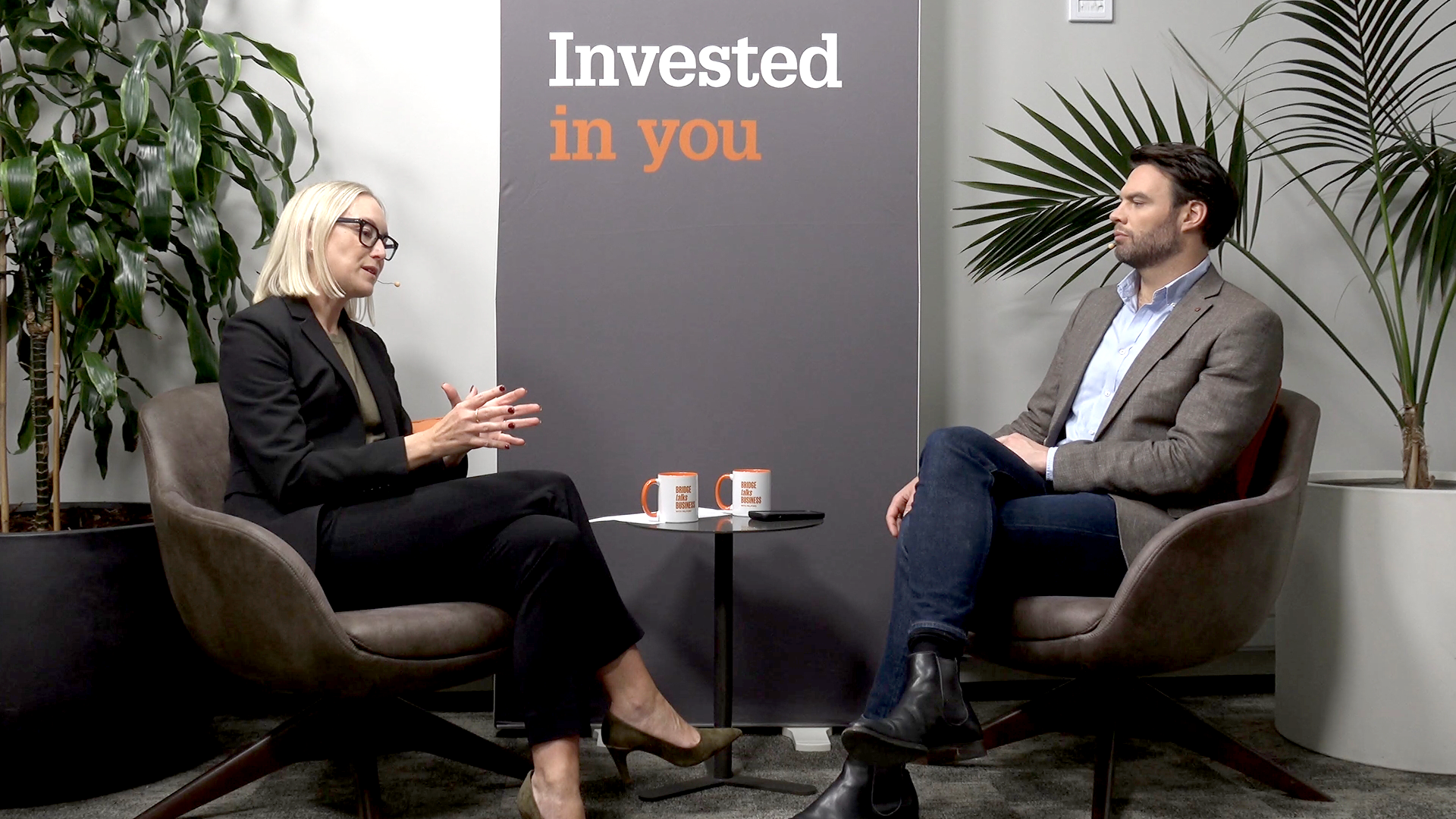

With New Zealand heading to the polls in November, many Kiwis are wondering what the result could mean for their investments. Milford Wealth Management Adviser Julie Shacklady joins Ryan Bridge to discuss how the NZ sharemarket has historically performed before and after elections, why markets value certainty, and how much political outcomes really matter to long-term investment success.
Click here to download the MP3 file or listen to the podcast on your favourite platform:
Bridge talks Business: 15 September 2026
Episode Transcript
Ryan
Kia ora and welcome to episode 93 of Bridge Talks Business with Milford.
This week, how much does an election really affect the stock market, if at all? As you know, we’ve got an election right around the corner. Generally, investors don’t like uncertainty and election outcomes, not just which parties, but which policies can result, can be difficult to forecast. First, this week, instead of your usual top five business bits, we’ve got five of our favourite Bridge Talks Business episodes from this year so far. Whether you’ve missed them or you want to have another listen to them, here are five conversations that really got us thinking.
- Coming in at number one; How not to panic in a crisis. Milford’s Maddy Cruikshank joined us to explain what market swings actually mean. Why volatility is a normal part of investing, and how staying the course can often be the hardest, but also the smartest thing to do. That was episode 70, if you want to check it out.
- Coming in at number two; Built to scale. A Kiwi success story in episode 71, entrepreneur Carmen Vicelich shared fascinating stories behind Velocity, the lessons she learned building a category leading business, and why success in business is often about perseverance, adapting and backing yourself.
- Coming in at number three; How does New Zealand become a nation of savers? Milford CEO Blair Turnbull joined us in episode 64 for a big picture discussion on retirement, financial resilience, and what New Zealand could do to encourage more saving and long-term financial security.
- Coming in at number four; From start-up to stand-out, the young founder shaking up wellness. Kate Gatfield-Jeffries told us in episode 75 how she launched Moodi in her early 20s and built it into one of New Zealand’s leading wellness drink brands.
- Coming in at number five; The business of giving back. Lucy Doyle from the Milford Foundation spoke to us about the role of business and what it can do to go beyond profits. That episode, 88, and all of these episodes can be listened to on the Milford website or wherever you like to listen to your podcasts.
All right, it is time for our feature interview this week. I spend a lot of time, in fact, I spend too much time talking about politics and elections in my day job, but how much do elections actually affect the real world? To what extent does an election, a campaign, a decision affect the stock market, for example? We’re asking that question this week of Julie Shacklady, a Wealth Management advisor at Milford. How much does politics move the markets? Just a reminder, this segment is informational only and should not be considered financial advice. Julie, welcome back.
Julie
Thank you for having me back.
Ryan
Now, elections coming. Anyone who’s not living under a rock is seeing all the ads and the billboards are going up. Share markets, do they really pay attention? Does an election have an impact on a share market?
Julie
Well, we get asked this question a lot from clients. Will the election have an impact on their investments? And although elections tend to bring some uncertainty, what we’ve observed is actually the New Zealand share market tends to be quite subdued in the lead up to election day, just while we’re waiting for announcements about what party or parties might get in. You may see a slowdown in just general economic activity. People might hold off buying a business or investment property while we’re waiting to learn more about any change in policy such as a new tax, for example.
Ryan
But it’s not like everybody’s on Tenterhooks. The country grinds to a holt, anything like that.
Julie
No, and again, you know, the share market can be subdued. But without wanting to make any promises about what happens after the election, what we’ve seen is that markets tend to perform quite well after an election. Once the outcome is known. Markets really like certainty, so just knowing which party or parties is going to be in then provides a bit of relief.
Ryan
What about the winning party? Do they have much of an impact on what happens after the election?
Julie
Not so much. Markets just really like certainty, so just knowing which party or parties will be in power is good for markets. They tend to breathe a sigh of relief and then know what they’re dealing with from there. Share prices tend to be more influenced by company valuations, global economic conditions, company earnings, things like that, interest rates, inflation. Those factors tend to have more of an impact on the share market than the New Zealand election does.
Ryan
What about over in the US? Is it different there?
Julie
Yeah, we often tend to see a bit more of an impact when there’s a US election, for example. Obviously, it tends to be all eyes on America at all times. A lot of our clients who are in multi asset funds have got quite a bit of exposure to the US as well. So, we do watch the US election quite closely and it can also have an impact in some cases more so.
Ryan
Because I mean it’s the world’s biggest economy, right? When you start thinking about how much debt they’ve got, how much spending’s going on. All those things have quite a big impact on the consumer and the share market over there, right?
Julie
Yeah, that’s right. They certainly do. Markets tend to react a bit more and you may experience a bit of choppiness perhaps going into a bigger election like the US versus the New Zealand election.
What we’ve seen in New Zealand is since 2005, there’s been seven elections. And in those seven elections, in the six months after the election, share markets locally have tended to perform quite well. On average, they’ve achieved a gross return of about 6% in the six months following the election.
Now four of those elections were National victories and three of those were Labour. And so, it has been fairly evenly split, but it’s worth noting that there’s been some pretty wide variances in there. For example, 2008, 2009, the six months there after the election, the market only returned about 1.2%, obviously due to the financial crisis. Whereas 2014, 2015 was actually about 12% for the six months following the election. But on average, about 6%. So, they tend to perform well, just once the election outcome is known.
Ryan
Just that sigh of relief. What about the different sectors? If you’re exposed to different parts of the economy, just are you more or less likely to do better under one government or another, or pre or post an election?
Julie
It really depends on any policy announcements or changes. Those tend to be announced before the election. So, we don’t tend to get a real shock where there’s a new policy that nobody was expecting. They’re broadly talked about before the election, and that tends to be factored into the share price going into the election anyway.
Ryan
And things like, I don’t know, minimum wage, or if there’s specific regulations for an industry, for example, does that have much of an impact?
Julie
Yeah, it can do. For example, if the minimum wage increases and so does the employer KiwiSaver contribution can then trickle on to the broader economy in terms of how much consumers are spending or how much people have in their pocket. So, it does all have a bit of an impact.
Ryan
All right, and what about the big question, who’s going to win?
Julie
You probably know more about that than I do. Oh, it’s shaping up to be a close one.
Ryan
It is going to be close.
Julie
Wait and see.
Ryan
Julie, lovely to have you back on the podcast. Thank you.
Julie
Thank you for having me.
Ryan
That was Julie Sacklady, Wealth Management Advisor at Milford talking to us about politics and stocks.
Just a reminder, you can like, follow and subscribe this podcast wherever you like to listen. We love you doing so. Until next week, don’t forget to invest in yourselves.
Missed previous episode? Don’t worry! Click here to catch up now.