Channel Infrastructure (CHI) owns the Marsden Point fuel import terminal and the 170km pipeline to Auckland. Around 40% of New Zealand’s transport fuel, and about 80% of its jet fuel, passes through the terminal.
We profiled Channel in August last year, highlighting its defensive, inflation-linked earnings and the option to repurpose the Marsden Point site. A lot has changed since then. Conflict in the Middle East and disruption to the Strait of Hormuz have pushed fuel security to the top of the political agenda and underlined the strategic value of Channel’s assets. Channel’s shares have returned +68%i since then and +172%ii over the past three years. From here, we see three large opportunities.
- Increased fuel storage
The first opportunity is building more fuel storage locally at Marsden Point. Since the refinery closed in 2022, New Zealand has imported all its refined fuel (instead of refining imported crude). Around 80% of our fuel comes from refineries in South Korea and Singapore which, in turn, run largely on Middle East crude – and we sit at the very end of that supply chain. This year has shown how exposed that can leave us. Diesel prices roughly doubled, several Asian governments temporarily restricted fuel exports, and at times New Zealand has held only around three weeks of diesel physically onshore, with the rest still on ships.
The response has been to hold more fuel in the country. The Government contracted 93 million litres of diesel storage at Marsden Point, around nine days of national diesel demand, which Channel delivered in just nine weeks. The minimum diesel stockholding obligation rises from 21 to 28 days in 2028, and Australia has gone further, intending to lift in-country stocks of diesel and jet fuel to 50 days.
Channel is the natural home for more fuel storage in New Zealand. It has over 350 million litres of tanks that could be repurposed and 45 hectares of consented land, which together could support around one billion litres of additional storage. New Zealand uses roughly 23 million litres of fuel a day and currently holds around 35 days of supply onshore, so if that capacity were built and kept full, it could lift onshore cover to around 75 days.
- The Marsden Point Energy Precinct
The second opportunity is continuing to redevelop the wider Marsden Point site. A biorefinery project, led by Seadra Energy, has broadened its scope to produce sustainable aviation fuel, biodiesel and fertiliser from domestic feedstock. Given its complexity, work has taken longer than initially planned, with a final decision on whether the project goes ahead now expected next year.
Other projects include a 72MW diesel peaking plant to support the electricity system in dry years, as a potential alternative to a Liquified Natural Gas (LNG) import terminal. Channel is also investigating further projects such as an alcohol-to-jet-fuel facility.
- Acquiring fuel infrastructure
The third opportunity is buying fuel infrastructure from the major oil companies which own most of the fuel terminals, storage and pipelines across Australia and New Zealand. Both governments want them to invest more in these assets for fuel security, while their shareholders want cash returned and a sharper focus on the core business.
We think this opens the door to potential transactions that work for both sides. The oil company can release capital and contract back the infrastructure it needs, while Channel adds to its contracted cash flows and can invest in further storage. Channel could also facilitate infrastructure sharing between fuel companies. These are critical national assets, better suited to an experienced operator like Channel than a financial buyer. Channel has already positioned itself for this over the past 12 months, buying a 25% stake in Melbourne’s Somerton jet fuel pipeline and dual listing on the ASX last year.
What’s the outlook from here?
Overall, Channel has many growth options on top of a defensive core of contracted, inflation-linked earnings. After the strong share price run, the market is now pricing in some of these growth options, so returns from here will depend on how much of the opportunity Channel can convert. If they don’t eventuate, for example if the biorefinery doesn’t go ahead or acquisitions don’t come at sensible prices, the share price could fall.
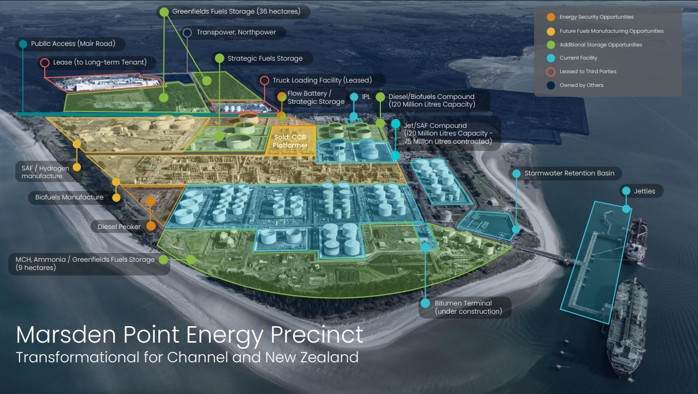
Figure 1: Channel Infrastructure 2026 Investor Presentation
______________________________________________________________________________________________________________
iSource: Bloomberg TSR for 7/08/2025 to 26/10/2026
iiSource: Bloomberg TSR for 26/10/2023 to 26/10/2026