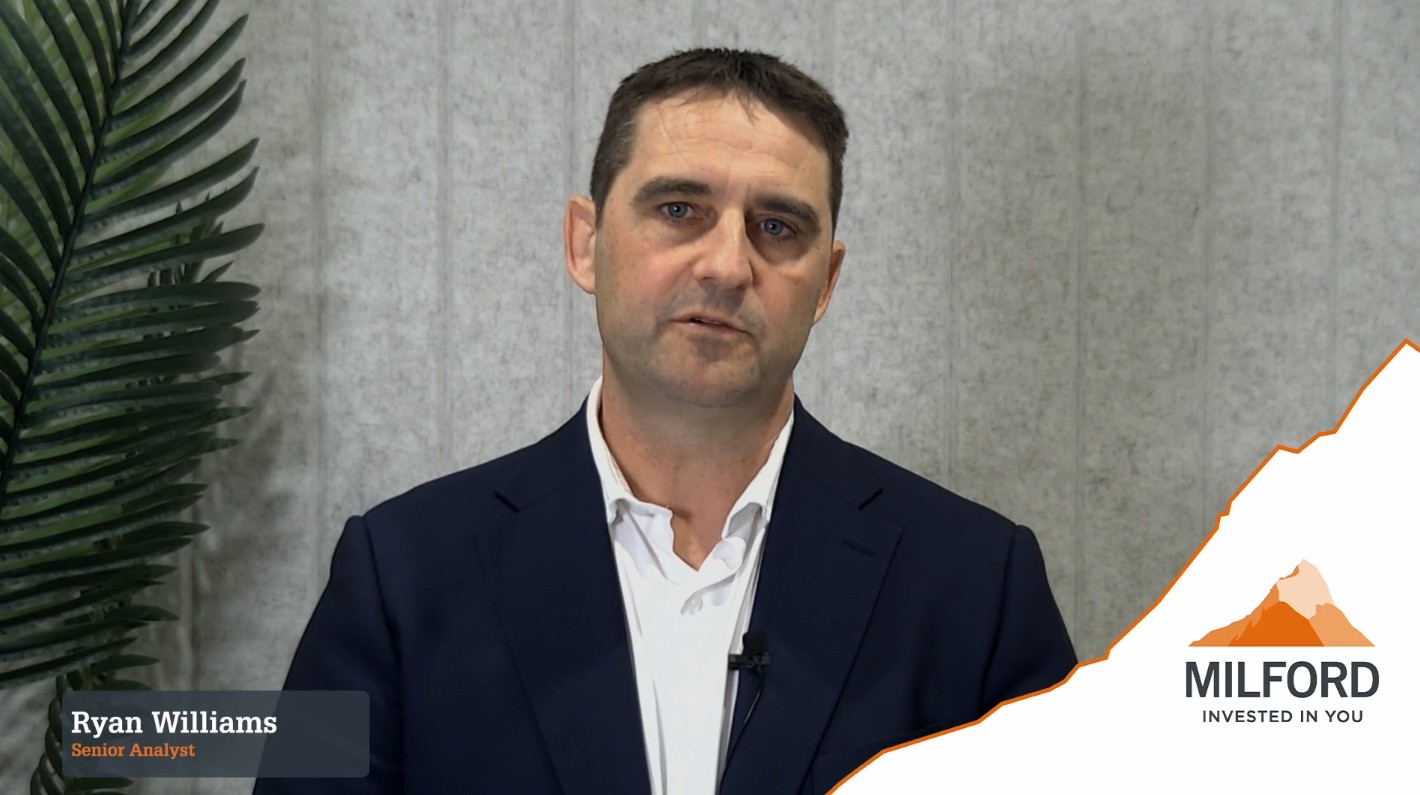

Finding an affordable place to live has become increasingly difficult for many Australians. Rents are rising, vacancy rates are low, and building new homes is expensive. Against this backdrop, Australian property company Aspen Group stands out as a company focused on providing affordable accommodation, while also delivering steady, long-term returns for investors.
Aspen owns, develops and operates residential properties, land lease communities, and holiday parks across Australia. Its focus is firmly on the affordable end of the market, providing homes for the ~40% of Australians who can’t afford more than $400 per week in rent or $400,000 to buy a home. This makes the business more defensive, as demand for affordable housing tends to remain strong even when economic conditions soften.
A simple and disciplined strategy
Aspen’s approach to property investing is refreshingly straightforward:
• Buy well: Aspen acquires under-rented or overlooked properties, often with little competition from other buyers, providing attractive entry prices.
• Improve the asset: Modest refurbishments lift quality and rental appeal without excessive spending.
• Generate steady income: The rental portfolio targets around a 5% net rental yield, with high occupancy and low arrears.
• Recycle capital: When properties become less affordable and rental yields compress, Aspen sells and reinvests into higher-return opportunities.
This disciplined capital recycling – selling assets on lower yields and reinvesting into 7-8% opportunities – has been a key driver of long-term value.
Affordable rents, high occupancy
Aspen owns around 6,000 approved dwellings and land sites, with a book value of approximately AU$650 million. Despite sharp rent increases across Australia, Aspen’s average rent was $325 per week in FY25, supporting high occupancy and stable cash flows. Rents have generally grown in line with inflation and remain below comparable market levels, leaving room for future growth without sacrificing affordability.
In addition to traditional rentals, Aspen operates land lease lifestyle communities and park accommodation, which largely cater to long-term residents rather than short-stay tourism. These assets align closely with Aspen’s affordable housing focus and provide further income diversification.
Conservative development, strong balance sheet
Around 80% of Aspen’s earnings come from recurring rental income, with the remainder from a conservatively run development business. Developments are modest in scale, sensibly priced, and supported by a large land bank. Aspen has delivered an average development profit margin of 32%, and average ROIC of 20% over the past 5 years. The balance sheet is also in good shape, with low gearing and ample capacity to fund future growth.
Management that thinks like owners
Aspen is led by co-CEOs John Carter and David Dixon, both with decades of property experience and meaningful personal shareholdings in the company. Together they own ~7% of APZ stock and more than half of their remuneration is contingent on APZ’s investment returns, based on book value and stock price. This strong alignment with shareholders has underpinned a disciplined approach to capital allocation across multiple property cycles. As with any founder-led business, long-term succession planning is a risk.
Aspen’s success relies on continued access to well-priced property opportunities, with increased competition for land potentially impacting future returns. While the company operates in a relatively defensive segment, it remains exposed to housing market cycles, interest rates, construction costs, and labour availability. There is increasing upside risk to interest rates in Australia in 2026, creating a less supportive housing environment and a further strain on housing affordability. Some tenants also rely on government rental assistance, so any material policy changes could affect affordability.
Why we find Aspen interesting
The market is facing a critical shortage of affordable housing alongside a less favourable interest rate environment, with potential interest rate rises on the horizon in 2026. Against this backdrop, Aspen offers relatively defensive residential exposure supported by stable demand and government policy. With aligned management, a conservative balance sheet, and a disciplined investment approach, we believe Aspen is well positioned to deliver sustainable long-term returns for investors.